Piezoelectric ceramic stack actuators are now offering industrial valve systems a powerful mix of high force and precise control. These compact devices convert electrical signals into mechanical motion with exceptional accuracy. Their design allows them to respond quickly and reliably, even in demanding environments.
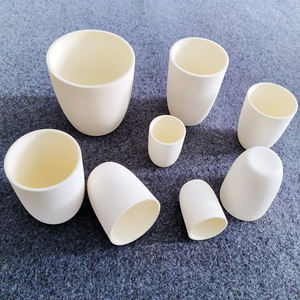
(Piezoelectric Ceramic Stack Actuators Deliver High Force and Precision for Industrial Valves)
Manufacturers are turning to these actuators because they deliver strong performance without needing large components. Unlike traditional solenoids or motors, piezoelectric stacks move in tiny, controlled steps. This makes them ideal for applications where fine adjustments matter, such as fluid regulation in chemical processing or fuel injection systems.
The actuators work by expanding or contracting when voltage is applied. This action happens almost instantly, enabling real-time valve positioning. They also consume less power since they only draw current during movement. Once in position, they hold steady without extra energy.
Durability is another key advantage. With no moving parts like gears or bearings, wear and tear are minimized. This leads to longer service life and lower maintenance costs. Many models are built to handle high pressures and extreme temperatures, making them suitable for harsh industrial settings.
Companies across aerospace, automotive, and energy sectors are adopting this technology. It helps them meet tighter control standards while improving system efficiency. The small size of the actuators also allows for more flexible integration into existing equipment.
(Piezoelectric Ceramic Stack Actuators Deliver High Force and Precision for Industrial Valves)
As automation grows, the need for responsive and accurate components increases. Piezoelectric ceramic stack actuators meet that need with proven reliability. Their ability to combine strength, speed, and precision gives engineers a valuable tool for next-generation valve design.