A new development in materials science is helping manufacturers produce high-purity infrared optical components more efficiently. Boron nitride ceramic crucibles are now being used to melt chalcogenide glasses without introducing impurities. These crucibles offer excellent thermal stability and resist chemical reactions at high temperatures. This makes them ideal for handling sensitive materials like arsenic sulfide, germanium selenide, and other chalcogenides used in infrared optics.
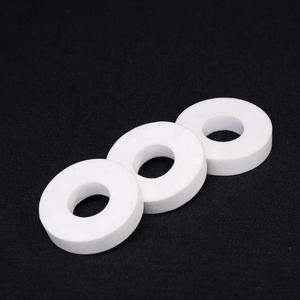
(Boron Nitride Ceramic Crucibles for Melting High Purity Chalcogenides for Infrared Optical Components)
Chalcogenide glasses are essential for lenses, sensors, and imaging systems that operate in the infrared spectrum. However, they require extremely clean melting conditions to maintain optical clarity and performance. Traditional crucible materials often leach contaminants into the melt, which can degrade the final product. Boron nitride avoids this problem because it stays inert even when heated above 1,000 degrees Celsius.
Manufacturers report fewer defects and higher yields since switching to boron nitride crucibles. The material also allows for smoother pouring and better control during casting. Its non-wetting surface prevents the molten glass from sticking, which simplifies cleanup and reduces waste. These benefits are especially valuable in defense, medical imaging, and industrial sensing applications where precision matters.
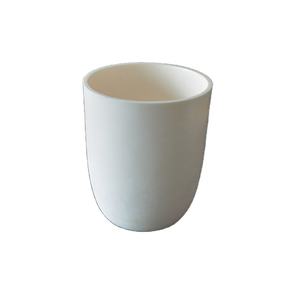
(Boron Nitride Ceramic Crucibles for Melting High Purity Chalcogenides for Infrared Optical Components)
The adoption of boron nitride crucibles is growing among specialty glass producers. Companies say the initial cost is offset by improved product quality and lower rejection rates. As demand for infrared technology rises, so does the need for reliable melting solutions. Boron nitride has proven to be a practical choice for meeting these demands without compromising purity or performance. Production facilities are now integrating these crucibles into standard workflows to support next-generation optical systems.